

The harsh cold of 2026 has finally passed, and now we’re heading into a scorching summer—no, actually, it’s already moving beyond just “scorching” and into a sweltering summer. How are you all holding up?
And as it gets hotter, dehydration becomes a concern, but it’s definitely the season for water. Fortunately, Japan’s tap water meets strict global water quality standards, ensuring its safety, so we can feel free to drink straight from the tap… But what does it mean to be “ruined by a toxic legacy”???
Amidst all this, the PFAS (per- and polyfluoroalkyl substances) issue—which has been making headlines in the media for the past few years—is also known as the “forever chemicals” that do not exist in nature. It might be fair to say that these are extremely troublesome and harmful chemicals.
They are a collection of over 10,000 different chemical substances produced during their manufacturing process. As of April 2026, due to the high risk of harm to human health, the manufacture, import, and use of most products containing them have been banned worldwide…
However, over the past several decades, substances that leaked into the ground during manufacturing or use have seeped into the soil. Over time, these have mixed into wells and tap water, causing adverse effects on human health, so increasingly stringent measures are likely to be required.
This is because the International Agency for Research on Cancer (IARC)—the World Health Organization’s (WHO) specialized agency on cancer—has officially reported that while products and goods made from these chemicals are extremely convenient in daily life, PFOA, a component of PFAS, is a known carcinogen.
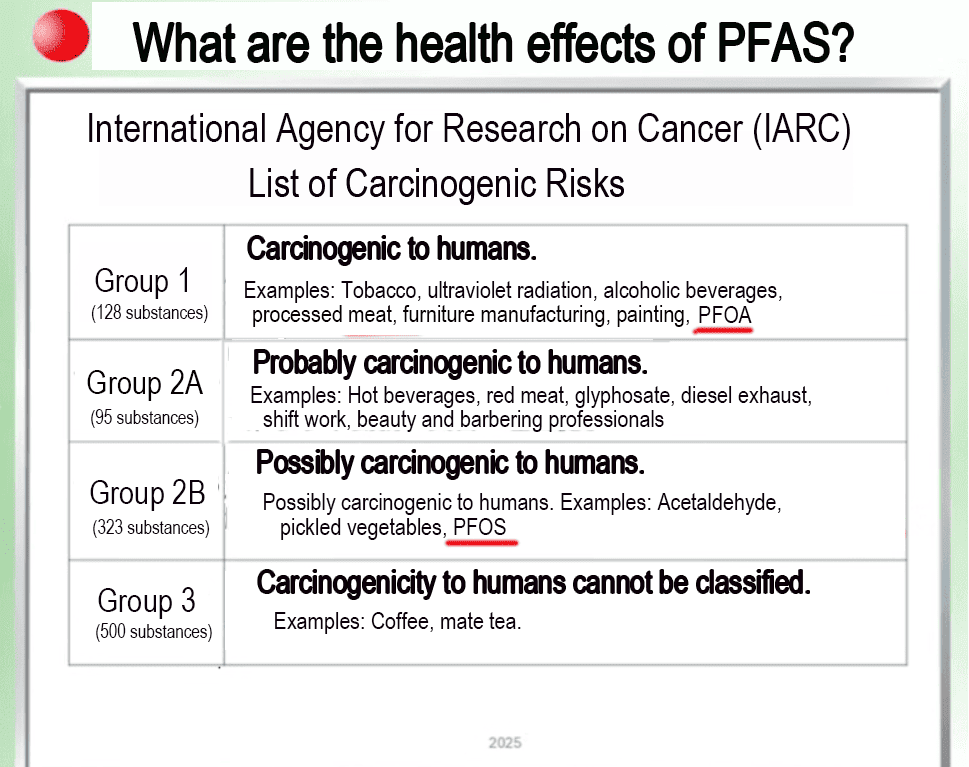
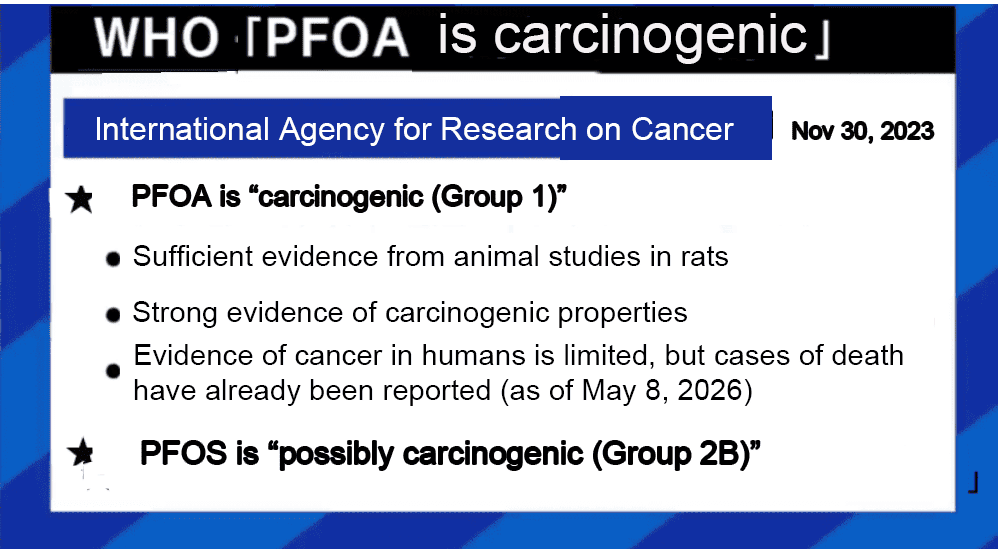
What are PFAS, which are currently causing a stir in the Japanese media?
PFAS (per- and polyfluoroalkyl substances) may be a term you’re not very familiar with, but it’s a general term for organic fluorine compounds made up of carbon and fluorine. In fact, if you look around, you’ll find that these substances are incredibly useful and are used in all kinds of products and goods in our daily lives.
But what led to the creation of these chemicals?
Let’s start with the United States, where the history of these substances dates back a long time. In the U.S., starting in the 1940s, research began on a resin—based on the “foundation of Teflon,” which was scientifically stable and possessed excellent heat and chemical resistance—to serve as a protective coating for atomic bombs.
It was developed to prevent catastrophic damage to both the American people and the U.S. military in the event that the atomic bomb cracked due to acid or heat during transport or before actual use, potentially causing an explosion.
Then, in 1960, Teflon—a registered trademark of Chemours (formerly DuPont) for its fluoropolymer—was introduced. With its water- and oil-repellent properties, non-stick qualities, heat resistance (up to approximately 260°C), chemical resistance, and excellent lubricity, it has been widely used in a variety of products, ranging from frying pan coatings to industrial sealants. The following are some examples.
● Food packaging materials (McDonald’s has now discontinued food packaging containing PFAS and switched to PPS [a non-fluorinated material] for its food packaging.)
● Waterproof sprays (Repels not only water but also “oil” [superior water and oil repellency], high durability, and stability unaffected by environmental conditions)
● Fluorine-coated frying pans (Regulations regarding fluorine-coated frying pans have become stricter both globally and in Japan in recent years. While the ban on manufacturing, importation, and use took effect in October 2021, voluntary restrictions have been in place since the end of 2013. Under global regulations, the Stockholm Convention banned manufacturing and use in 2019. Currently, many manufacturers sell PFOA-free products.) )
● Textiles such as carpets (stain-resistant and easy to clean, waterproof and durable)
● Foam fire extinguishing agents (used to quickly extinguish large-scale oil fires at petrochemical complexes, airports, airfields, and military facilities) PFAS have a high ability to spread a water film over oil, allowing them to quickly smother and cool burning oil to extinguish the fire.
Furthermore, they are resistant to decomposition even at high temperatures and can effectively handle oil, which is why they were the mainstream choice for many years. However, PFOS was regulated in 2010 and PFOA in 2021, leading to a gradual ban on their use, and the development and adoption of “non-fluorinated foam fire extinguishing agents” is progressing.)
● Semiconductor Manufacturing (PFAS are used because they possess extremely high heat resistance, chemical resistance, and water repellency, making them indispensable for forming fine circuit patterns and in cleaning processes. In particular, as anti-reflective agents, photoresists, and components of manufacturing equipment, they play a crucial role in improving yield (quality rate) and maintaining consistency in the manufacturing process.)
● Cosmetics (PFAS have long been used in the beauty and cosmetics industries to enhance water resistance, permeability, spreadability, and smoothness. However, due to “growing concerns about health risks,” Japan banned the manufacture, import, and use of PFOS in 2010, and PFOA in 2023 under the Chemical Substances Control Law. Globally, there is a trend toward a complete ban or restriction on the manufacture, import, and sale of these substances starting around 2025–2026.)
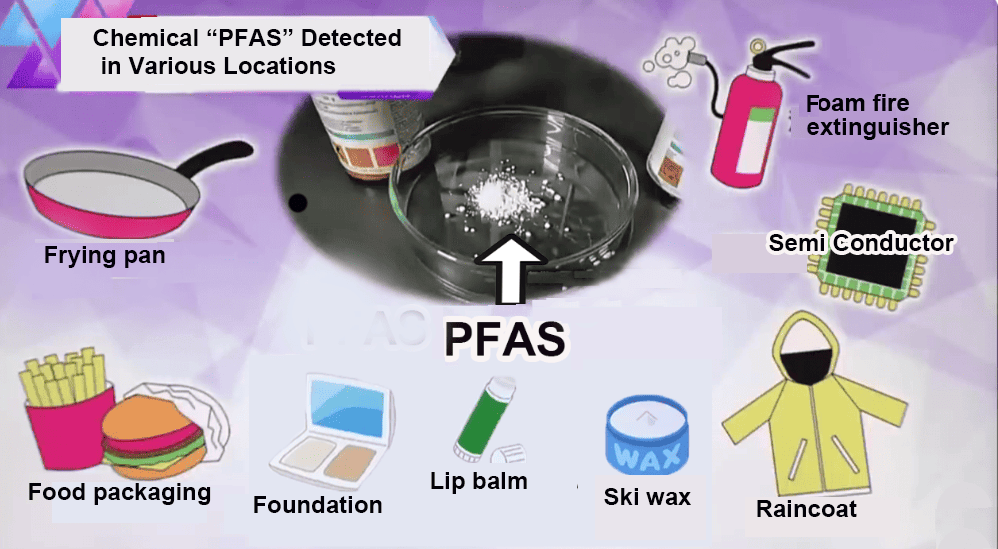
As such, while these substances are widely used and indispensable in our daily lives, they present a serious problem: PFAS manufacturing plants, U.S. military bases, Japan Ground Self-Defense Force facilities, airports, fire stations, parking lots, and industrial waste sites are believed to be sources of contamination, and this is leading to adverse health effects.
Furthermore, the fact is that foam fire extinguishing agents—used at fire scenes, which are most relevant to the general public—seep into the ground along with rainwater because they are water-soluble, travel long distances, and accumulate over time.
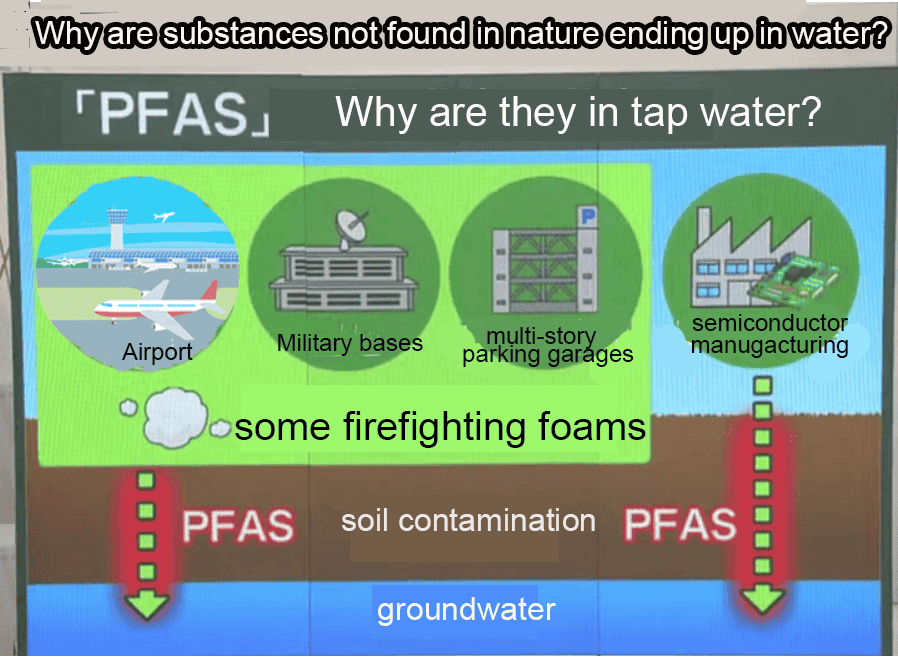
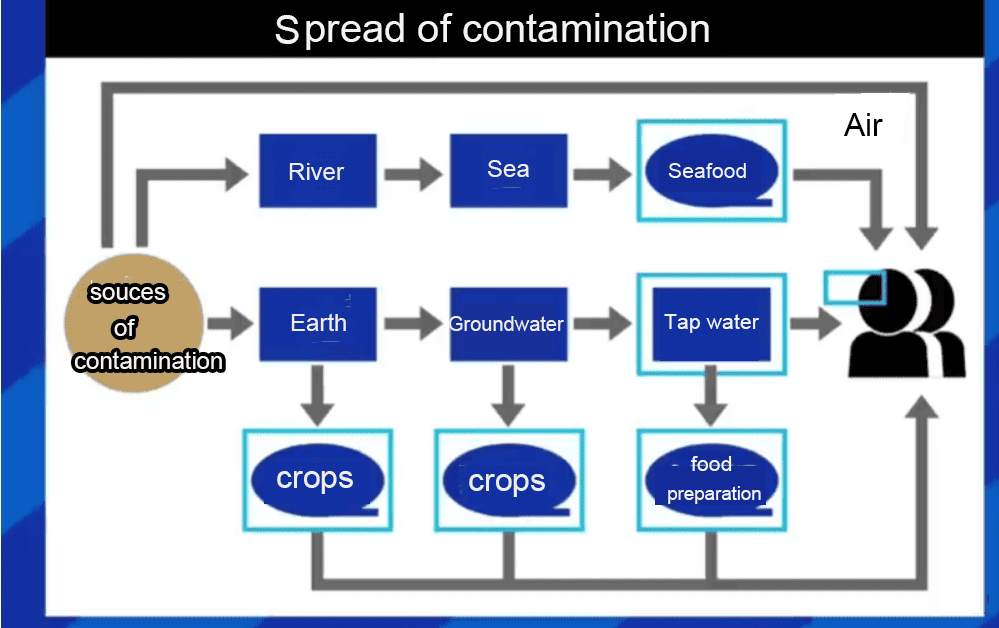
PFAS, which consists of more than 10,000 different chemical compounds, primarily includes substances such as “PFOA,” “PFOS,” and “PFHxS.” The two most common types, PFOA and PFOS, contain carcinogens and have been used in firefighting foam for many years.

And the fact that PFAS, after circulating for years or even decades, eventually ends up in well water, sewage systems, and rivers—and ultimately enters water treatment plants—thereby contaminating the tap water we drink, has only recently become a social issue in Japan, albeit belatedly, and there are concerns that this problem may be just beginning to unfold.
However, regarding the current method of indicating how much PFAS is present in tap water, it is expressed as a “provisional guideline value/target value” or simply a “standard value” in terms of “ng/L (nanograms per liter).”
What is a provisional guideline value?
In Japan, the current provisional guideline value is “50 nanograms per liter.” It is unclear whether this is lenient or strict, but since drinking about 2 liters of tap water containing this amount every day is unlikely to have any lifelong health effects, the Tokyo Waterworks Bureau appears to have set the value at “50 ng/L (nanograms per liter).” However, since this is strictly provisional, the future standard value remains unknown at this stage.
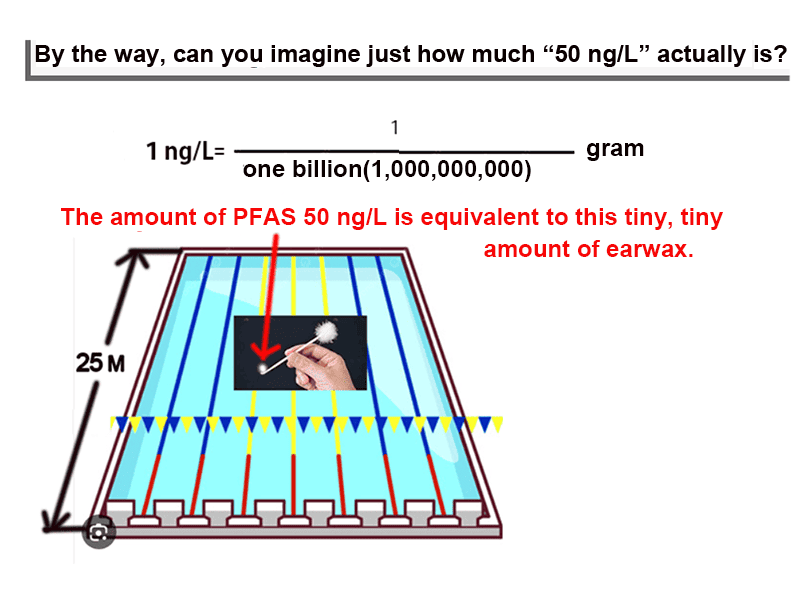
As you can see from the image above, it’s a truly minuscule amount—like dropping a tiny bit of earwax from an ear pick into a 25-meter swimming pool. I hope this helps you understand just how astonishingly potent PFAS are.
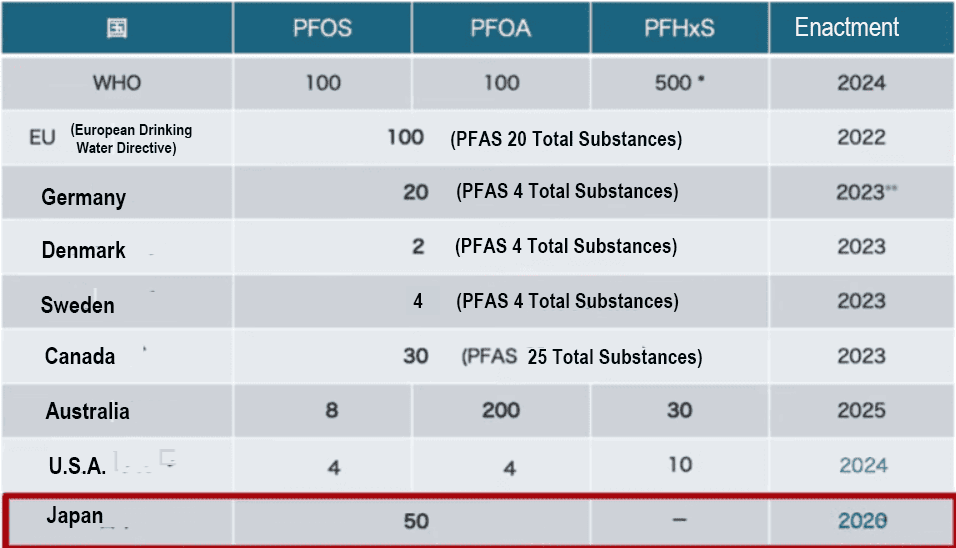
While the figures for the United States are extremely strict, they also serve as evidence of the high priority placed on environmental issues, particularly during the Biden (former president) administration.
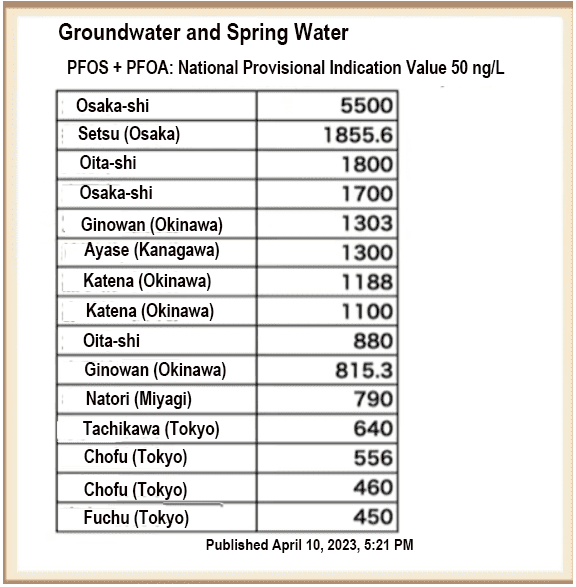
Although figures vary by region, the following are values from areas in Japan that far exceed the provisional guideline of 50 ng/L for tap water testing.
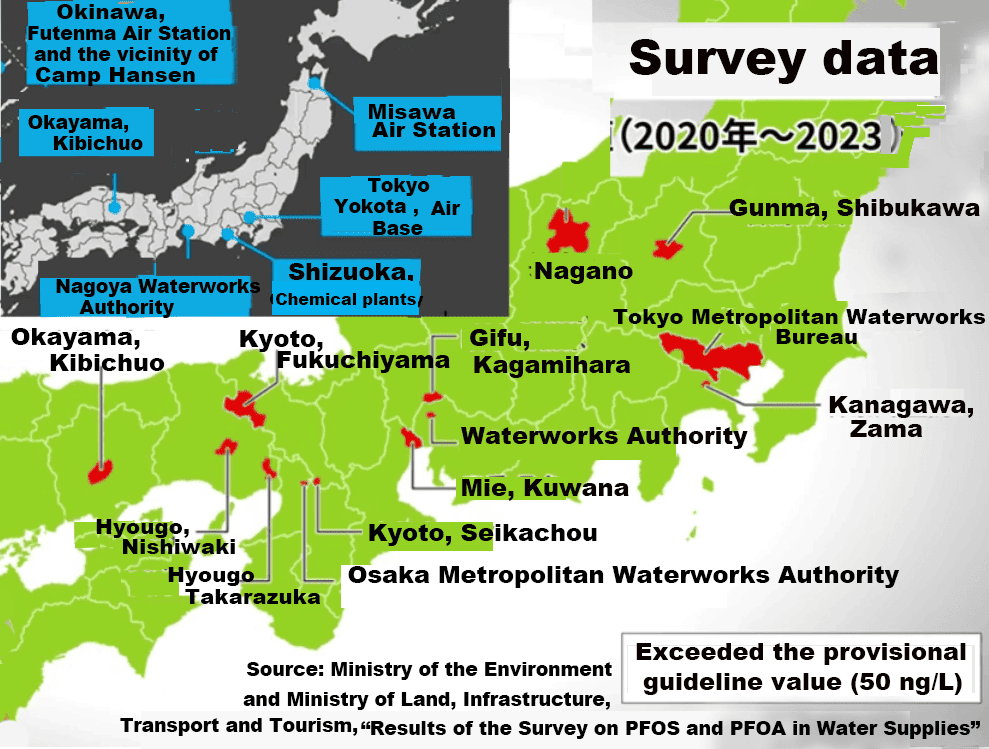
As you can see from the data above, the primary sources of PFAS contamination appear to be U.S. military bases, the Japan Self-Defense Forces, fires during aircraft landings, vehicle fires while driving or in parking lots, and factories or their surrounding areas. However, because PFAS are highly water-soluble, they seep into the ground with rainwater, migrate, and mix into well water and rivers, eventually entering water treatment plants.
They mix into rivers and other waterways and end up entering water treatment plants. A very serious problem occurred in a different form at the water treatment plant in Kibi-Chuo Town, Okayama Prefecture, but I will explain that later.
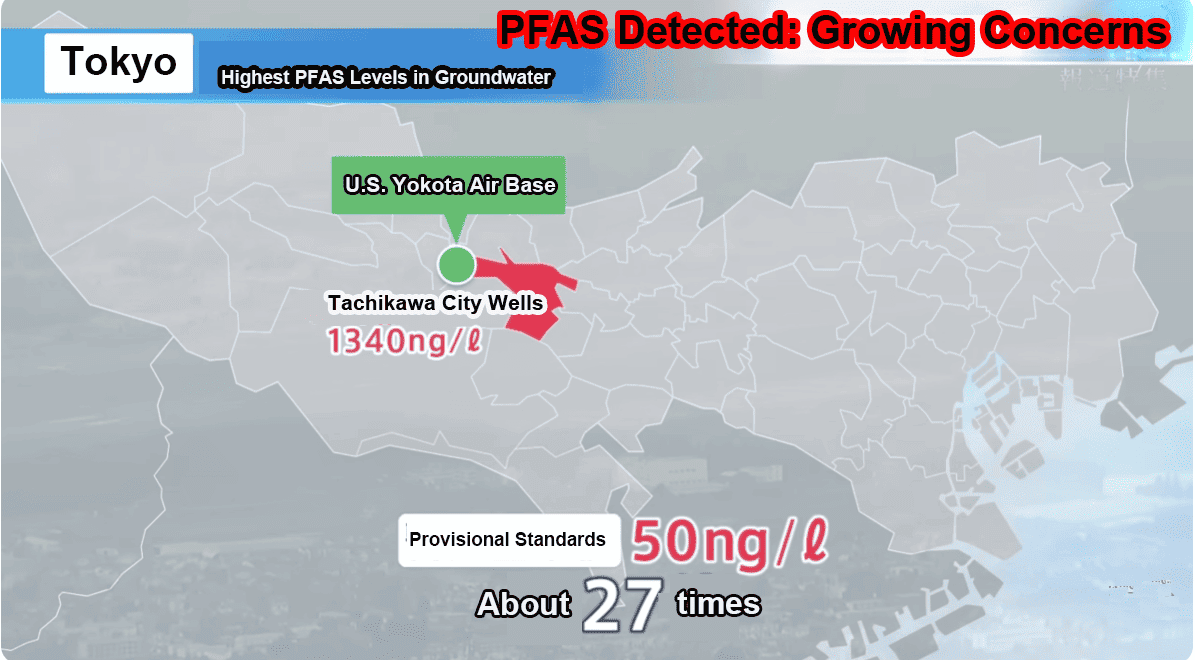
First of all, about two years ago, PFAS levels 27 times the reference value—the highest level ever detected in Tokyo’s groundwater from U.S. military bases located in the city—were detected.
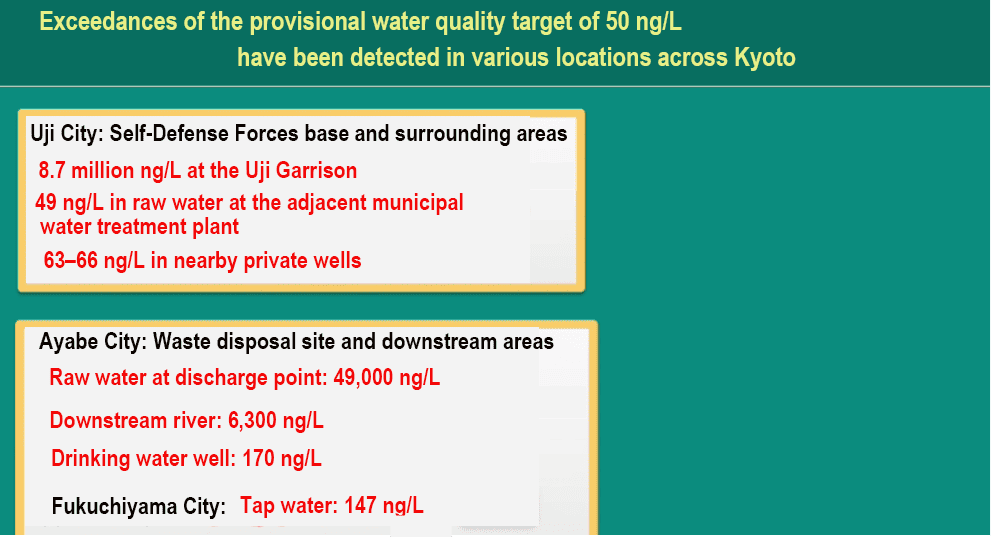
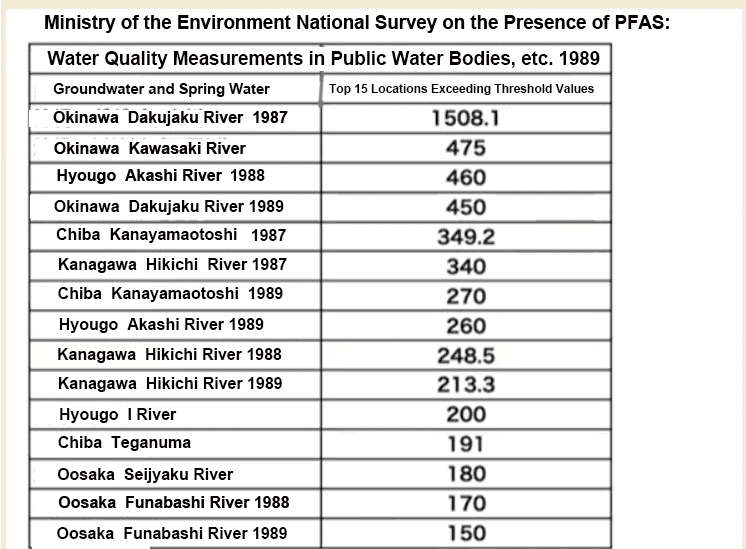
In addition, tests conducted in other regions of Japan have shown significantly high levels.
While there are significant health impacts beyond cancer, “malignant neoplasms (cancer)” remain the leading cause of death among Japanese people, accounting for about a quarter of all deaths, so let’s take a closer look.
First, let’s look at the United States, where these substances have a long history. They were developed and began to be used there starting in the 1940s, and since around the year 2000, they have become a social issue, leading to a series of lawsuits.
In particular, regarding lawsuits over groundwater contamination caused by PFAS—substances of significant health concern—the state of New Jersey in the eastern U.S. announced in August 2025 that it had reached a settlement with major U.S. chemical company DuPont and others, securing approximately $2.1 billion (about 310 billion yen) in compensation and other payments.
Furthermore, in September of the same year, 2025, it made major news when 3M, a major U.S. manufacturer of industrial and office products, agreed to pay up to $10.3 billion (approximately 1.5 trillion yen) in settlement funds for contaminating drinking water with PFAS.
The test results found in the residents’ blood?
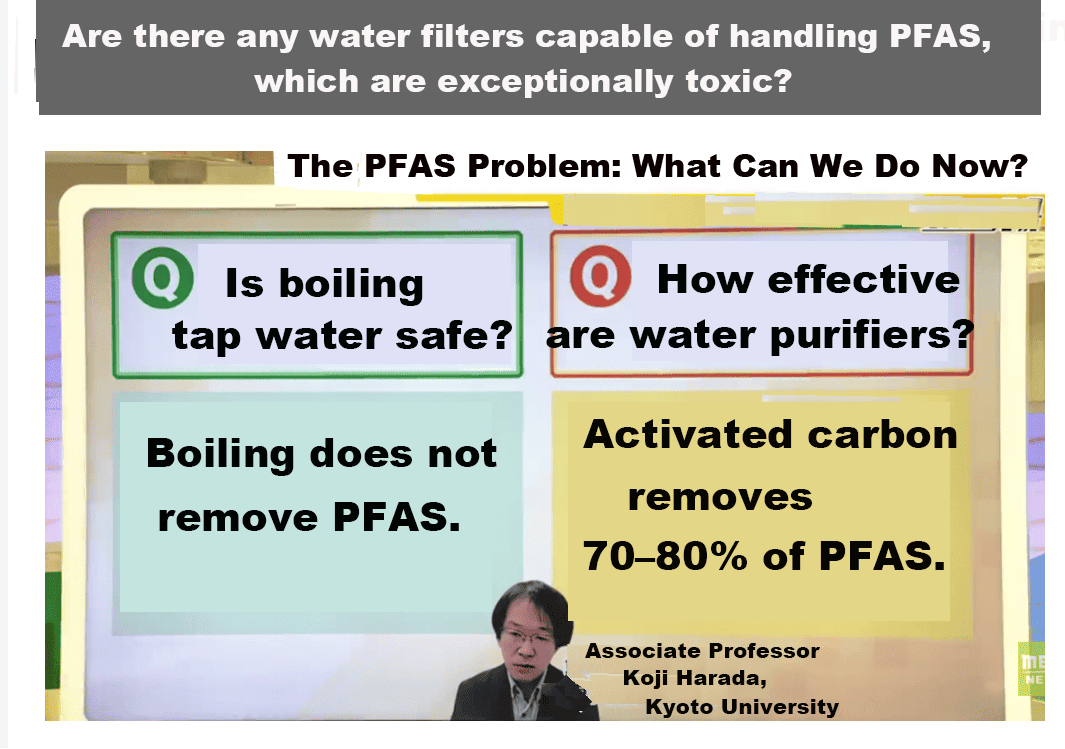
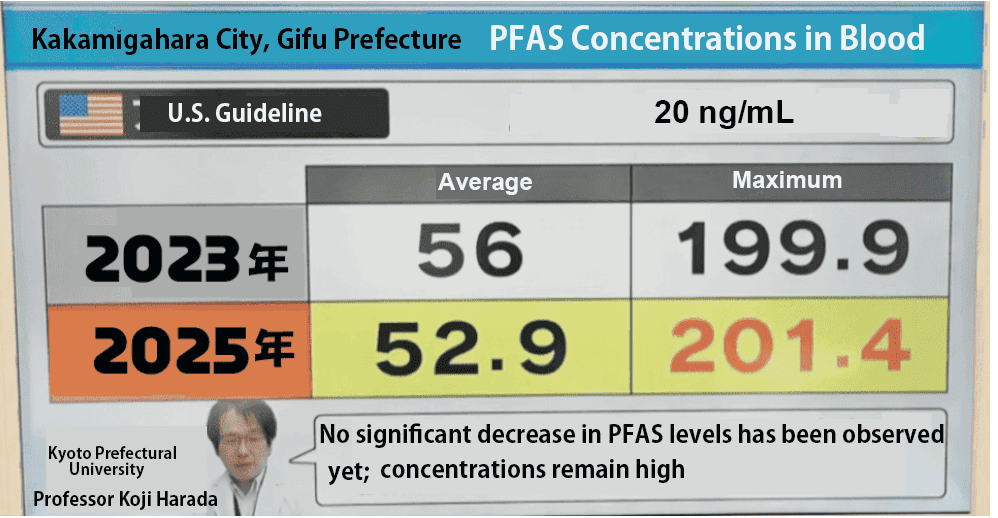 “Note: Professor Koji Harada of Kyoto Prefectural University is a leading expert on PFAS in Japan who has been deeply involved in addressing PFAS contamination issues for many years. Specializing in environmental health, Professor Harada has been at the forefront of PFAS research both in Japan and abroad since he began studying PFAS contamination at Kyoto University in 2002.
Levels 300 times the maximum permissible limit for drinking water were detected in Japan—what happened to the residents?
Naturally, since the residents had been drinking that water for many years, they were so concerned that they requested blood concentration tests from the prefectural government, but their request was denied.
They ended up paying for the tests out of their own pockets, which was quite expensive. The results showed an extremely high concentration—110 times the limit—which is the worst-case scenario according to U.S. standards… Please take a look at a very short picture.
What are the other health effects on the human body, including cancer?”
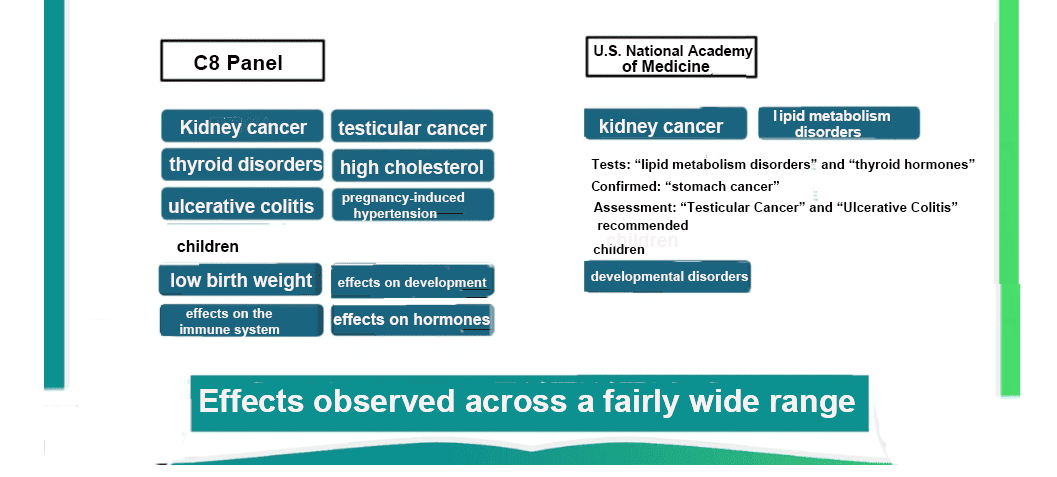
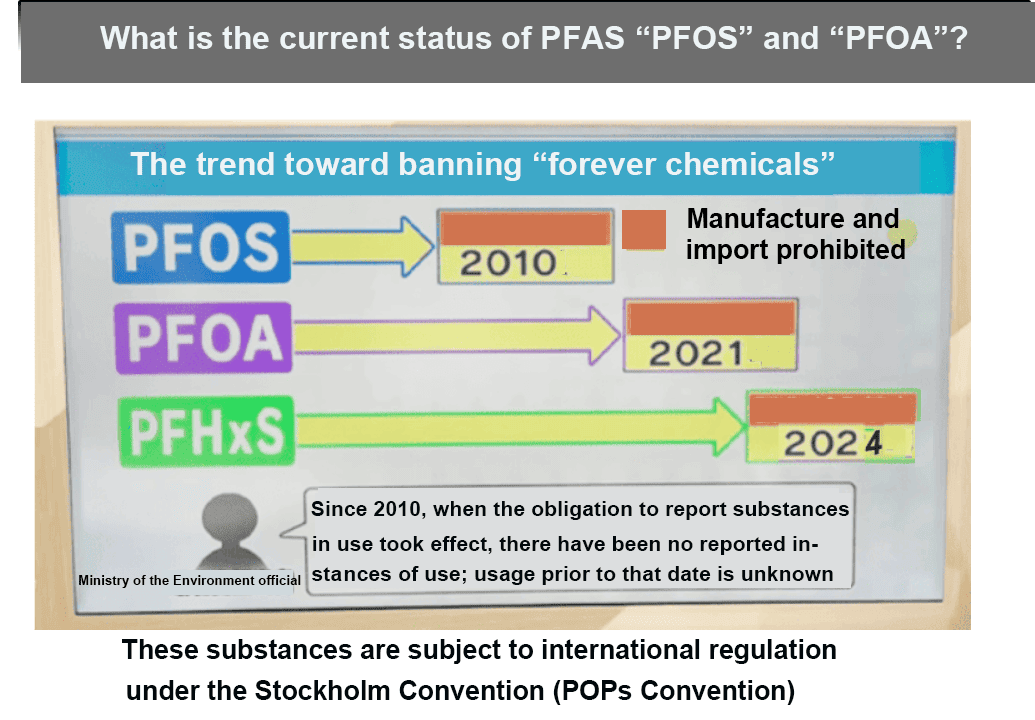
As mentioned above, as of today (April 2026), the manufacture and import of PFAS are banned worldwide. However, the problem is that we don’t know how much PFAS is already present in the soil, so what will happen in the future???
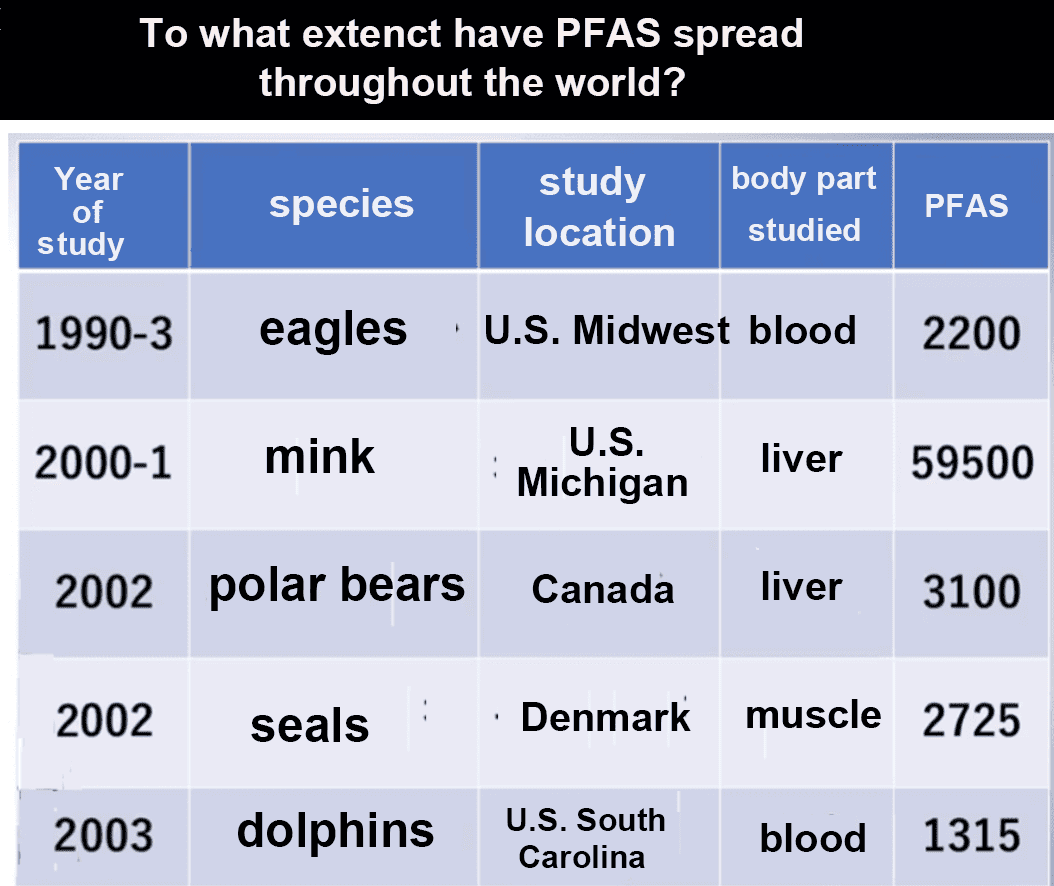
Wow, that’s surprising! Since they were detected in the livers of polar bears in the Canadian Arctic as early as 2002, it means they had already spread to the Arctic. At this rate, they’ve probably reached almost every corner of the globe by now.
When did Japan begin addressing the PFAS issue?
Concerns that PFAS were causing environmental pollution and potentially harming human health first emerged in the late 1990s and early 2000s. The detailed background is as follows.
● Global Turning Point (2000): Regarding PFOS and PFOA—representative PFAS compounds—3M, a major U.S. manufacturer, announced it would voluntarily cease production by 2002, marking the beginning of recognition of the risks.
● Start of Research in Japan: In Japan, following this international trend, researchers gradually began conducting surveys and studies on the actual state of contamination starting in the early 2000s.
● Concerns About Health Effects: Specific health impacts on humans, such as carcinogenicity, elevated cholesterol levels, and thyroid hormone abnormalities, began to be identified. In 2005, the U.S. Environmental Protection Agency reported that these substances were likely carcinogenic.
● In Japan, starting in the late 2010s, the detection of particularly high concentrations around military bases and factories—such as in Okinawa Prefecture and the Tama region of Tokyo—became a topic of public concern, leading to nationwide surveys of the actual situation.
What is the non-fiction book that exposed the dangers?
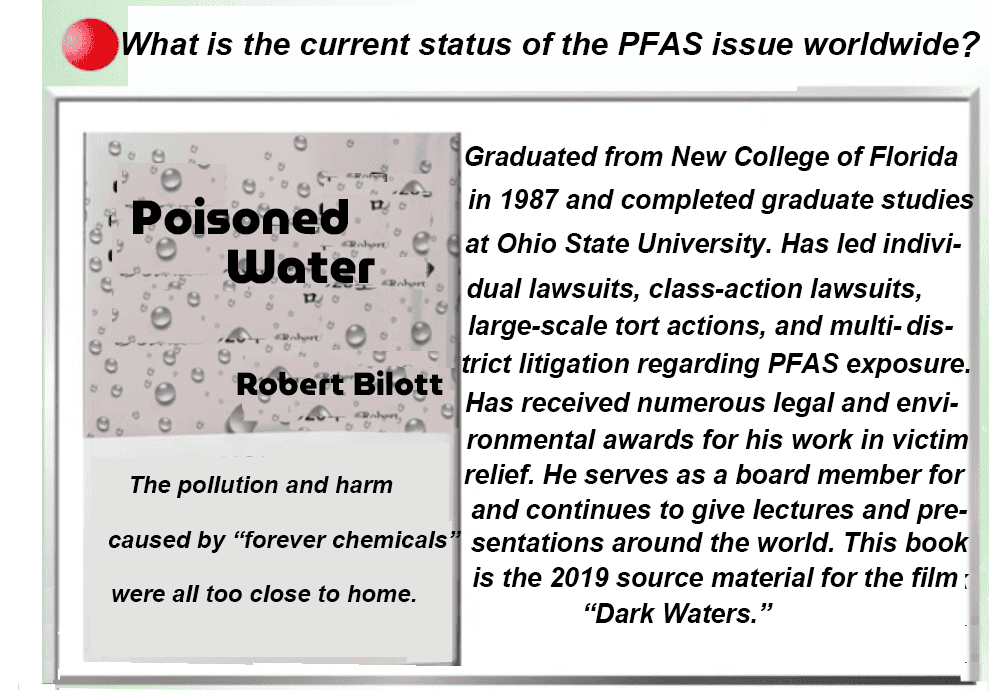
The author of *Dark Water: A Lawyer’s 20-Year Battle Against PFAS Contamination* is Robert Bilott.
Synopsis: This is the account of an environmental lawyer who exposed contamination by per- and polyfluoroalkyl substances (PFAS) and fought against the corporate giant DuPont for over 20 years.
Features: It is also known as the source material for the film *Dark Waters: The Man the Giant Corporation Feared*.
This non-fiction work exposes the dangers of PFAS, which persist and accumulate in the environment and the human body, causing cancer and other diseases.
The Problem of Recontamination Caused by Abandoned Used Activated Carbon
★ Background and Location of Contamination: At the Enjo Water Treatment Plant in Kibi-Chuo Town, activated carbon used to remove PFAS was left exposed to the elements for an extended period in a nearby storage yard. High Concentration Detected: Extremely high concentrations of PFAS (PFOA)—up to approximately 90,000 times the national provisional target value—were detected in the abandoned activated carbon.
Spread of Contamination: Extremely high levels of PFAS—750,000 nanograms per liter—were detected in the soil (top 5 cm) surrounding the area where the activated carbon was stored, and these contaminants flowed into a nearby river (around the Kawahira Dam).
★ Causes and Current Status: The Cause Investigation Committee concluded that “it is reasonable to assume the contamination originated from used activated carbon at the materials storage site.” Okayama Prefecture collected the activated carbon and proceeded with removal efforts; however, the situation has dragged on, with applications for environmental pollution mediation still being filed as of 2026.
This case is a very serious example of how “environmental measures” intended to remove PFAS can lead to further “double contamination” due to subsequent “inadequate waste management.”
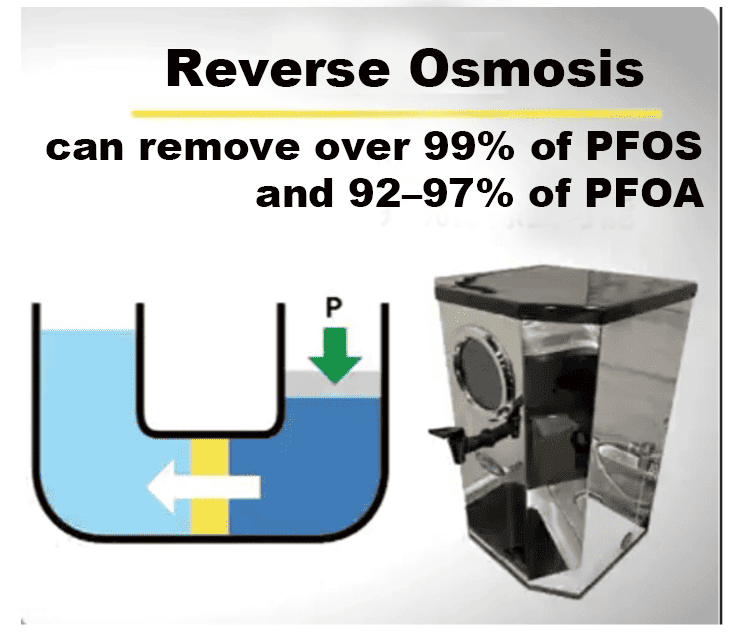
Another removal method is a “water purifier equipped with a reverse osmosis (RO) membrane,” which is effective for removing PFAS
Removal Principle: Reverse osmosis (RO) membranes are the most advanced technology for physically filtering out organic fluorinated compounds such as PFAS.
Finally, please watch this short video on PFAS by Dr. Tetsuya Ise, a specialist in urology and gastroenterology.
Why has this become an issue now?
Although the manufacture and use of these substances are banned in Japan, they continue to be highlighted as a problem in the news primarily for the following two reasons.
★ Past residues and accumulation: Substances manufactured and used before regulations took effect remain in the environment and are leaching into rivers and groundwater.
★ Contamination around U.S. military bases and factories: These substances were historically used in semiconductor manufacturing processes and as firefighting foams, and in some areas, concentrations dozens or even hundreds of times higher than Japan’s regulatory limits have been detected.
Future Trends: It is said that there are over several thousand types of PFAS, and the scope of regulations is likely to expand in the future. There is no doubt that countermeasures in Japan will be strengthened, such as stricter water quality standards for tap water.
PFAS Regulations in Japan: When Do They Take Effect?
Japan’s PFAS (per- and polyfluoroalkyl substances) regulations will reach a major turning point on April 1, 2026. On this date, the revised Water Supply Act will come into effect, establishing a legal “water quality standard” of 50 ng or less per liter for the combined total of PFOS and PFOA. Regular inspections and corrective actions will be mandated.
The detailed regulatory status is as follows.
★ Establishment of Water Quality Standards for Tap Water (April 1, 2026 onwards)
○ The combined PFOS and PFOA level of 50 ng/L, previously a “provisional target value,” will be elevated to a strict “water quality standard.”
○ Regular inspections (at least once every three months) by water utilities will become mandatory.
★ Restrictions on the Manufacture and Use of Related Substances (To Be Enforced Gradually)
○ PFOS: Banned in principle since 2010.
○ PFOA: Designated as a Class I Specified Chemical Substance in 2021; banned in principle starting April 2023.
Regulations on other related substances (such as PFHxS) are also being gradually strengthened in accordance with international treaties.
★ Food Standards
○ Starting in February 2025, the same standard of 50 ng/L (total PFOS and PFOA) as for tap water will apply to mineral water and similar products.
Currently, the Ministry of the Environment’s website publishes the latest guidelines regarding PFOS and PFOA, and regulations are expected to become even stricter, including future developments.
(For example, the following article appeared in the Tokyo Shimbun on a certain day in April 2026, and I quote it here.)
“In conjunction with the mandatory water quality testing for PFAS—substances of concern for their potential health impacts—which took effect in April, the Ministry of Land, Infrastructure, Transport and Tourism has requested that local governments operating waterworks promptly inform residents and take emergency measures, such as restricting water use, if concentrations exceed water quality standards.
The ministry has created response guidelines for local governments incorporating these requirements and has notified all local governments operating waterworks. The Water Supply Act sets the water quality standard for PFAS at a total of 50 nanograms per liter for the two representative substances, PFOS and PFOA.
Local governments are required to conduct water quality tests at least once every three months starting April 1. The guidelines state that in cases where concentrations cannot be reduced immediately, local governments must provide residents with information such as detection levels and implement emergency measures, such as restricting the use of the water for drinking.
The guidelines further urged that, if an alternative water source cannot be found, municipalities should reduce concentrations as much as possible through measures such as upgrading activated carbon systems at water treatment plants to remove PFAS.
The mandatory testing requirement applies not only to public water supplies but also to private water systems—such as those using wells—installed for residents of company housing and hospitals. According to the Ministry of Land, Infrastructure, Transport and Tourism (MLIT), there had been no guidelines specifically focused on PFAS until now. “A notification was sent to prefectures and municipalities on March 27, prior to the implementation of the mandatory testing.”
*This information is based on knowledge as of May 2026.
Finally, We hope that with your chosen water purifier and healthy water, you will enjoy a vibrant, healthy(PinPin)life right up until your (Korori)final days.
Thank you very much fpr visiting, hoping a healthy day!
.
